
BIORETENTION BASINS
Bioretention Basin Design, Installation, and Maintenance in Philadelphia
In Philadelphia, a well built bioretention basin can mean the difference between costly violations and long term stormwater savings. We specialize in designing, building, and maintaining systems that filter runoff, prevent flooding, and keep your site in full regulatory compliance.
Overview
Sustainable Stormwater Control with Bioretention Basins
Managing stormwater effectively requires infrastructure that works with nature, not against it. Bioretention basins are one of the most effective solutions for filtering runoff, reducing flood risks, and keeping your property in compliance with local regulations. We offer full service solutions from engineering and permitting to construction and ongoing maintenance, so you can rely on one trusted partner for every stage.
Overview
Sustainable Stormwater Control with Bioretention Basins
Managing stormwater effectively requires infrastructure that works with nature, not against it. Bioretention basins are one of the most effective solutions for filtering runoff, reducing flood risks, and keeping your property in compliance with local regulations. We offer full service solutions from engineering and permitting to construction and ongoing maintenance, so you can rely on one trusted partner for every stage.

What Is A Bioretention Basin?
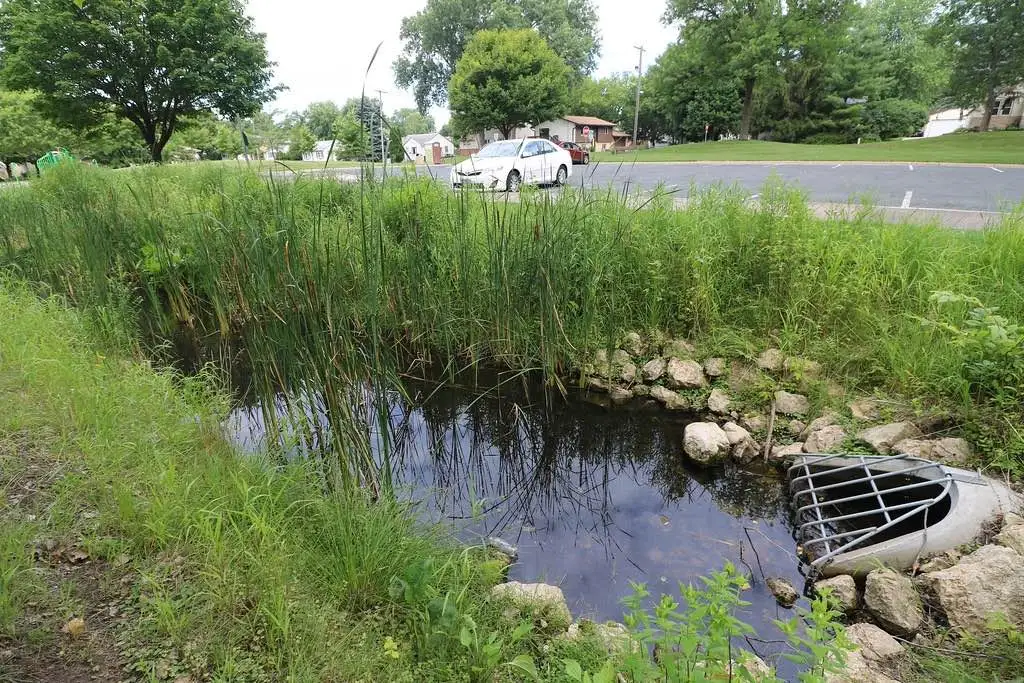
A bioretention basin is a shallow, landscaped area designed to capture and treat stormwater runoff. It uses layers of soil, stone, and vegetation to naturally filter pollutants while allowing clean water to seep back into the ground. These systems can be integrated into parking lots, commercial sites, municipal grounds, and residential developments to help manage heavy rain events and reduce strain on sewer systems.

Why Bioretention Basins Matter
Without an effective bioretention basin, runoff can overwhelm drainage systems, cause erosion, and transport pollutants into rivers and streams. In Philadelphia, this can lead to costly violations and damage to your property. Properly installed and maintained bioretention basins protect infrastructure, safeguard the environment, and can even reduce stormwater fees through credit programs.
The Lasting Benefits of a Well-Designed Bioretention Basin
Choosing a professionally built bioretention basin means you are protecting your investment for years to come. We focus on durability, ease of maintenance, and regulatory assurance so you can focus on running your property without stormwater concerns.
Benefits Include:
- Meet and maintain Philadelphia stormwater regulations without guesswork.
- Reduce potential repair expenses and qualify for stormwater credit programs.
- Trap pollutants before they enter local rivers and streams.
- Prevent erosion, flooding, and soil destabilization.
- From permitting to maintenance, one trusted team handles it all.
Your Bioretention Basin Experts in Philadelphia
For over a decade, property managers, schools, HOAs, and municipalities across Greater Philadelphia have relied on us to design, build, and maintain bioretention basins that stand the test of time. Our full-service approach means you never have to juggle multiple contractors, we handle everything from permitting to repairs.

One‑Stop Service
From engineering to maintenance, we manage every step.

Compliance Assurance
We align every project with Philadelphia’s strict stormwater regulations.

Local Expertise
Decades of experience with Philadelphia’s climate and environmental standards.

250+
Stormwater systems inspected across Greater Philadelphia.

400+
Violations resolved quickly and documented for clients.

10+ Years
Proven experience in stormwater compliance and construction.

$1M+
Total stormwater credit savings earned for clients.
Why Every Philadelphia Property Needs an Effective Bioretention Basin
When heavy rain falls in Philadelphia, every drop needs to be managed responsibly. A properly designed bioretention basin captures stormwater at the source, filtering out pollutants, recharging groundwater, and reducing the load on municipal sewer systems.
By choosing a provider who handles design, installation, and maintenance under one roof, you ensure your basin remains fully functional year-round. The result? Fewer violations, lower stormwater fees, and a healthier local environment.

Common Questions About Bioretention Basins
How does a bioretention basin reduce stormwater fees?
Philadelphia offers stormwater credit programs that can reduce your monthly fees if your property manages runoff effectively. A properly functioning bioretention basin filters and slows stormwater, helping you qualify for these credits. Our team can not only install the basin but also handle the paperwork and inspection process needed to secure and maintain your savings.
How often should a bioretention basin be inspected in Philadelphia?
In Philadelphia, we recommend inspecting bioretention basins at least twice a year, once in the spring after heavy snowmelt and once in the fall before freezing conditions set in. These inspections allow us to identify and address sediment buildup, clogged inlets, dying vegetation, or erosion before they become costly problems. Routine checks also keep you aligned with Philadelphia Water Department requirements and ensure your basin is working as designed year-round.
What happens if my bioretention basin fails a PWD inspection?
If your basin fails a Philadelphia Water Department inspection, you will receive a notice outlining the deficiencies that must be corrected. This can include clearing blockages, replacing plants, repairing erosion, or removing accumulated sediment. We act quickly to diagnose the root cause, perform repairs, and provide photographic and written documentation to confirm compliance with PWD standards.
How long does it take to build a bioretention basin?
The construction timeline for a bioretention basin varies based on size, site conditions, and permitting requirements, but most projects in Philadelphia take between two and six weeks from ground-breaking to completion. Because we handle design, permitting, and construction under one roof, you can expect faster turnaround without sacrificing quality.
Can a bioretention basin be retrofitted into an existing property?
Yes, many properties can retrofit bioretention basins into existing landscapes or parking areas. This often involves regrading, modifying drainage patterns, and installing engineered soils and plants. We assess each site to determine the best placement and design for maximum performance and compliance.
What types of vegetation work best in a bioretention basin?
We use a mix of deep-rooted native grasses, shrubs, and flowering perennials that can tolerate both wet and dry conditions. These plants stabilize soil, enhance infiltration, and support pollutant removal. In Philadelphia, native species also require less maintenance and are more resilient to local pests.
What are the signs my bioretention basin needs repair?
Warning signs include standing water that does not drain within 48 hours, bare soil or erosion around inlets, unhealthy or dying vegetation, and excessive sediment buildup. Addressing these issues promptly can prevent more extensive repairs and help you avoid violation.
Received A Notice Of Violation? We Can Fix It Fast.
A stormwater violation can put your site and budget at risk. We’ll help you navigate the entire process, from initial notice review to implementing repairs and submitting reports that meet PWD standards.