
CATCH BASIN REPAIRS
Professional Catch Basin Repairs for Stormwater Systems in Philadelphia
Catch basins are a critical part of your stormwater system, capturing debris and directing runoff into underground pipelines before it can damage your property or impact local waterways. Over time, heavy traffic, rushing water, and seasonal storms cause wear that leads to cracks, failed joints, and even sinkholes. Our Philadelphia-based team specializes in repairing and restoring catch basins to full functionality while keeping your property compliant.
Overview
Understanding Catch Basins and Their Role in Stormwater Control
Catch basins are the first defense against surface water damage, capturing runoff and channeling it into underground drainage networks. In Greater Philadelphia, weather extremes and urban traffic accelerate wear and tear, making repairs a critical part of property maintenance. Addressing damage early prevents bigger issues like flooding, erosion, or failed inspections.
Overview
Understanding Catch Basins and Their Role in Stormwater Control
Catch basins are the first defense against surface water damage, capturing runoff and channeling it into underground drainage networks. In Greater Philadelphia, weather extremes and urban traffic accelerate wear and tear, making repairs a critical part of property maintenance. Addressing damage early prevents bigger issues like flooding, erosion, or failed inspections.

What Are Catch Basins?
Catch basins, sometimes referred to as storm drains, are critical in managing surface water. They consist of a grated inlet that allows water to enter and a chamber that traps debris before it flows into connected pipes. This simple yet effective design helps prevent street and property flooding while improving the quality of water discharged into local waterways.

Why Catch Basins Crack and Fail
Over time, the combination of heavy stormwater flow, sediment buildup, and vehicle pressure causes wear to a catch basin’s structure. This can lead to cracked walls, separated joints, or failed connections between the basin and surrounding pavement. Addressing these problems early prevents dangerous sinkholes and costly emergency repairs.
The Role of Catch Basins in Stormwater Management
Every stormwater system depends on catch basins to collect runoff and channel it safely away from buildings, roadways, and landscaping. These structures are designed to capture sediment and debris before it can cause blockages, preserving the flow of water through underground piping. In Greater Philadelphia, where heavy rain events are common, a functioning catch basin is one of the best safeguards against flooding.
When cracks, joint failures, or collapsed sections form, they compromise the entire drainage system. Timely repairs restore the integrity of the structure, prevent environmental harm, and protect your investment in stormwater infrastructure.
Why Timely Catch Basin Repairs Save You Time and Money
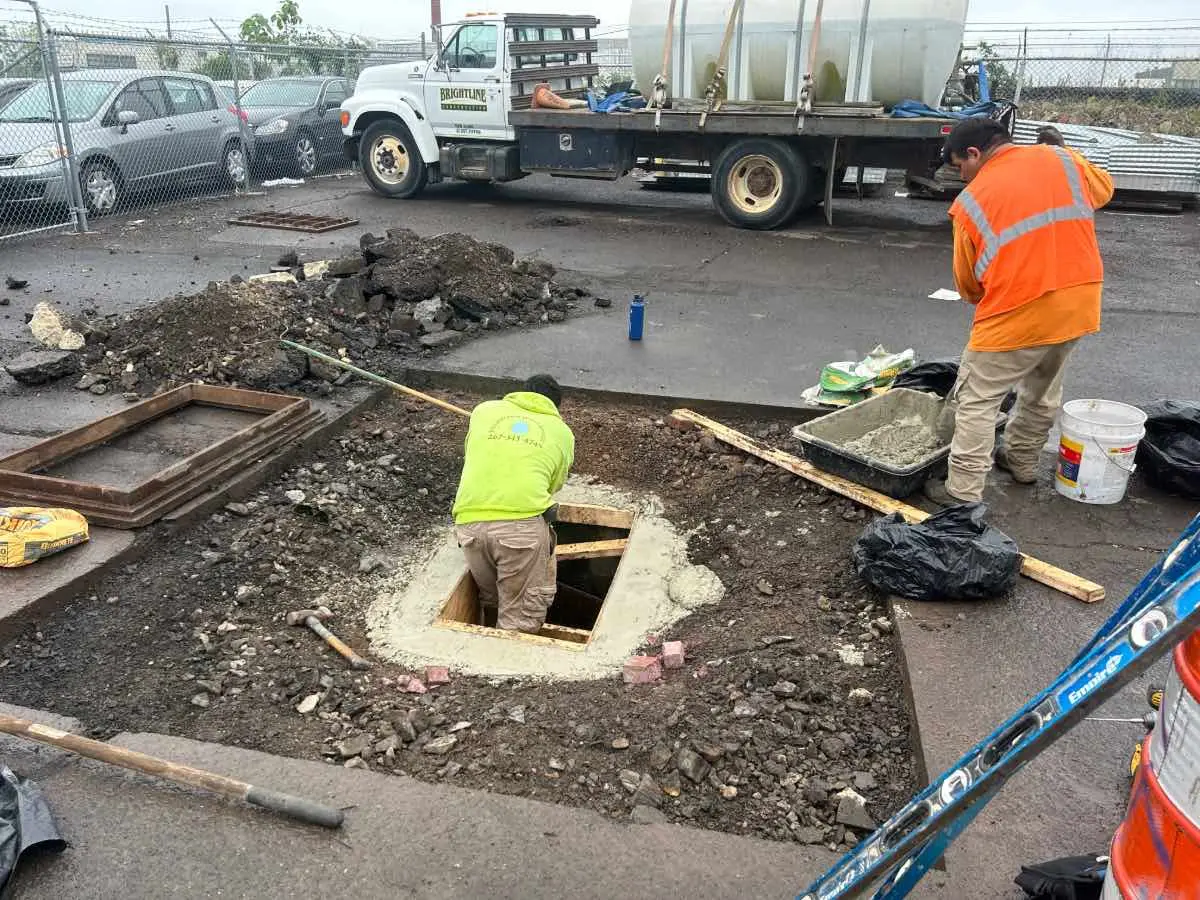
When catch basins are in good condition, they quietly protect your property from some of the costliest forms of damage. But when they fail, everything from flooding to environmental violations can follow. Professional repairs ensure your stormwater system is reliable, compliant, and ready to handle the next heavy rain without issue.
Benefits of repairs include:
- Prevents property flooding during peak storms
- Stops sinkhole formation before it becomes a hazard
- Extends the lifespan of your stormwater infrastructure
- Keeps your property compliant with local stormwater regulations
- Reduces erosion and protects surrounding landscapes
- Prevents blockages by restoring full debris-trapping capacity
- Avoids costly emergency repairs through early intervention
Philadelphia’s Go-To Team for Catch Basin Repairs
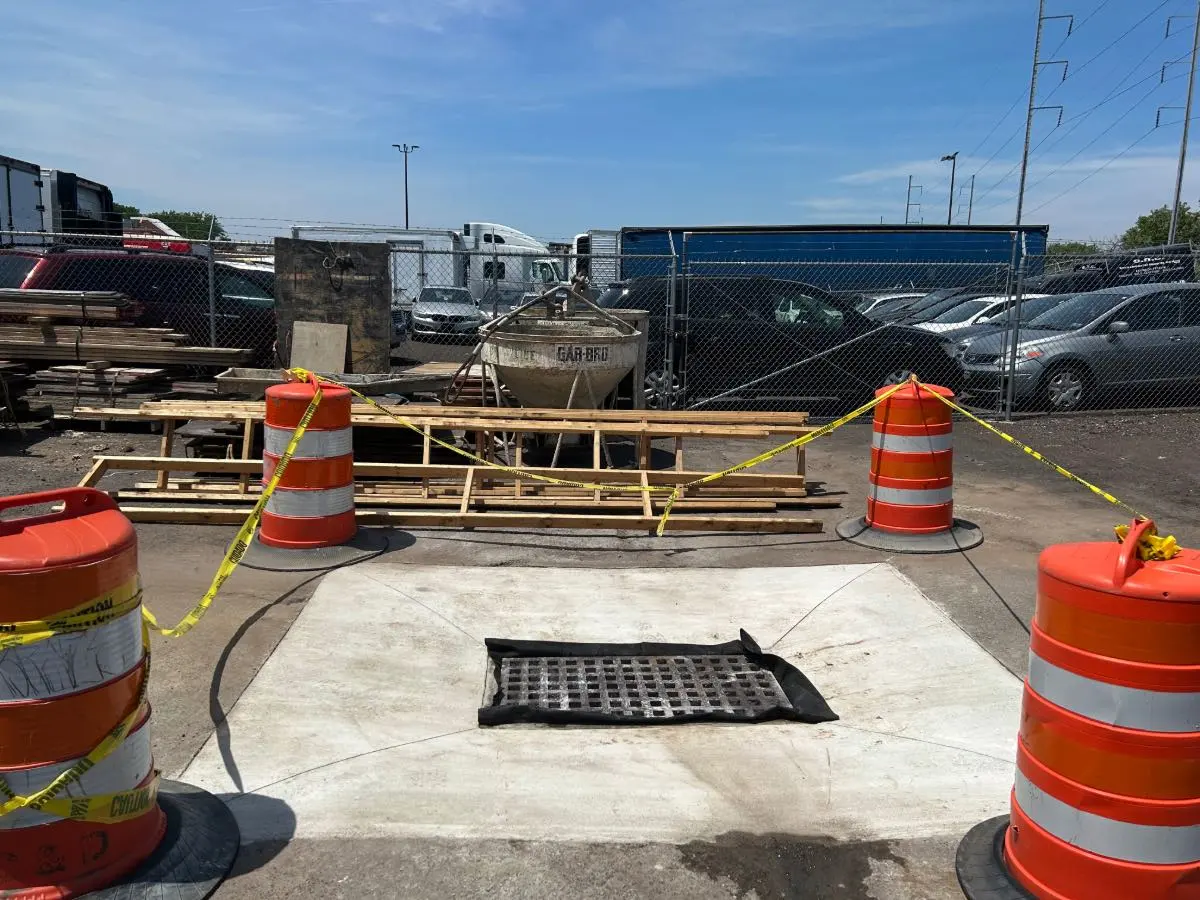
When catch basins are compromised, flooding, erosion, and costly violations can follow. Our repair services address both visible damage and hidden structural weaknesses to ensure your stormwater system performs reliably. With deep knowledge of Philadelphia’s inspection standards and environmental guidelines, we provide repairs that meet every requirement without unnecessary disruption to your property.

Detailed Assessment
We identify the root cause of damage for lasting repairs.

Specialized Techniques
From concrete patching to joint reinforcement, we use methods proven in the field.

Local Expertise
We understand Philadelphia’s stormwater standards and how to meet them efficiently.

250+
Stormwater systems inspected across Greater Philadelphia.

400+
Violations resolved quickly and documented for clients.

10+ Years
Proven experience in stormwater compliance and construction.

$1M+
Total stormwater credit savings earned for clients.
Common Structural Defects and Failures in Catch Basins
By recognizing and repairing these issues early, property owners can prevent costly flooding, erosion, and compliance violations.

Broken or Missing Grates
Without a secure grate, debris and large objects can enter the basin, causing blockages and safety hazards for pedestrians and vehicles.

Cracked Walls or Floors
Even small cracks allow water infiltration, accelerating deterioration and undermining surrounding pavement.

Failed Joints
Gaps between structural sections let water escape, causing erosion and sinkholes nearby.

Filler or Mortar Loss
Missing filler weakens the basin’s integrity and can lead to rapid structural breakdown.

Connection Failures
Poor or damaged pipe connections reduce flow efficiency and cause backups.

Sinkholes
Often caused by failed joints or erosion, sinkholes can compromise property safety and require urgent repair.
Common Questions About Catch Basin Repairs
How do I know if my catch basin needs repairs?
Signs of catch basin damage include cracked concrete, missing grates, pooling water near the inlet, or visible sinkholes around the structure. You may also notice slow drainage after storms, which means debris or structural issues are blocking water flow. In Greater Philadelphia, regular inspections are important because freeze-thaw cycles and heavy rainfall can make small issues worse quickly.
Can you repair a catch basin without replacing it entirely?
Yes. In most cases, we can restore structural integrity by repairing cracks, resealing joints, replacing grates, and fixing pipe connections without replacing the entire structure. Full replacement is only necessary if the damage is severe or the basin is beyond safe repair.
How quickly should I address catch basin damage?
The sooner the better. Even minor defects can escalate within weeks, especially after major storms. Prompt repairs prevent environmental harm, protect your property, and keep you in compliance with stormwater regulations.
How often should catch basins be inspected?
We recommend at least one inspection per year, preferably before Philadelphia’s rainy season. High-traffic areas or sites prone to sediment buildup may require inspections every six months to ensure optimal performance.
What is the cost of repairing a catch basin?
Every repair is unique, but pricing depends on the severity of damage, depth of the basin, and material needs. We offer transparent quotes with no hidden fees and aim to deliver the most cost-effective solution possible.
What should I do if I receive a Notice of Violation for my catch basin?
Do not delay. A Notice of Violation means your system is out of compliance and could face fines if not addressed promptly. Our team can inspect, document, and repair your catch basin to bring it up to Philadelphia’s stormwater standards quickly.
Received A Notice Of Violation? We Can Fix It Fast.
A stormwater violation can put your site and budget at risk. We’ll help you navigate the entire process, from initial notice review to implementing repairs and submitting reports that meet PWD standards.