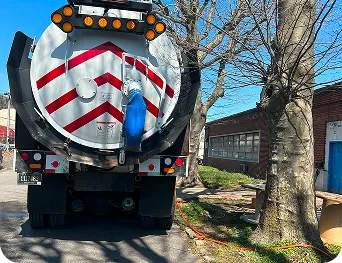

DREDGING
Professional Pond and Stormwater Dredging Services in Greater Philadelphia
Over time, sediment and organic debris build up in ponds and stormwater facilities, reducing their ability to store and manage runoff. Our expert dredging team in Philadelphia specializes in removing these materials, restoring full capacity, and improving water quality.
Overview
What Dredging Is and Why Your Stormwater System Needs It
Think of dredging as a reset button for your pond or stormwater facility. By removing the compacted layer of sediment and debris at the bottom, we restore depth, water volume, and system performance. For commercial, municipal, and residential properties in Philadelphia, pond restoration and dredging is one of the most effective ways to extend the life of stormwater infrastructure and reduce long term maintenance costs.
Overview
What Dredging Is and Why Your Stormwater System Needs It
Think of dredging as a reset button for your pond or stormwater facility. By removing the compacted layer of sediment and debris at the bottom, we restore depth, water volume, and system performance. For commercial, municipal, and residential properties in Philadelphia, pond restoration and dredging is one of the most effective ways to extend the life of stormwater infrastructure and reduce long term maintenance costs.

What Dredging Is
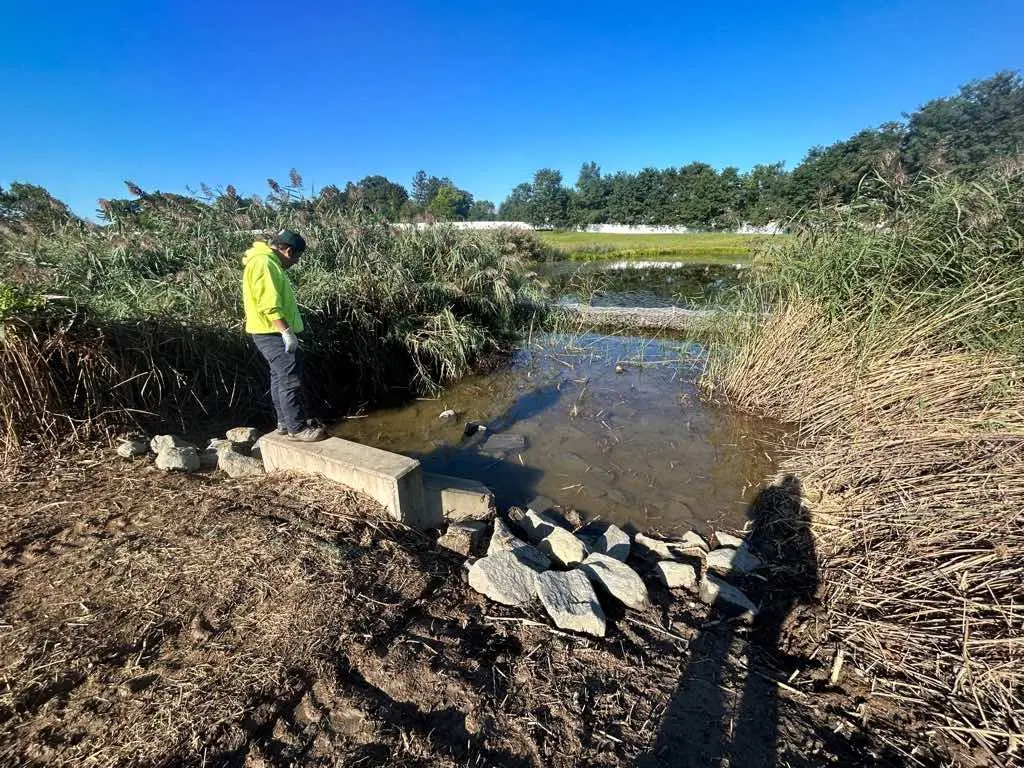
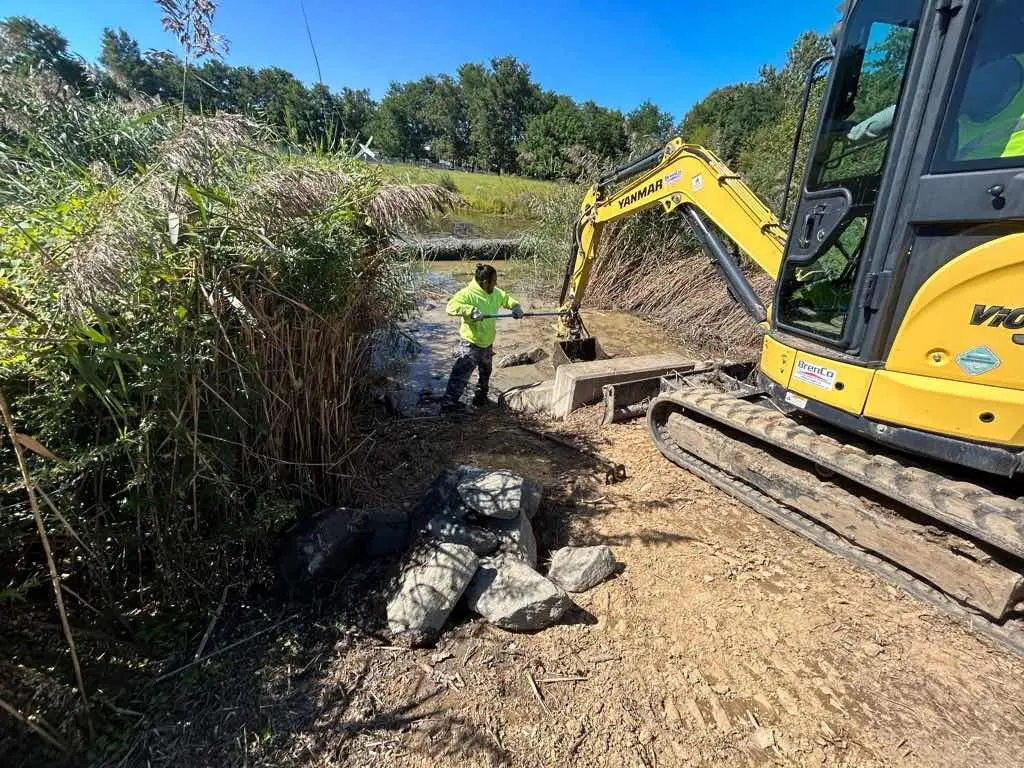
Dredging involves physically removing built up sediment, silt, organic matter, and debris from the bottom of a pond or basin. This is often done with specialized equipment such as dredge pumps, excavators, or mechanical scoops, depending on site conditions. The goal is to restore the original design depth and capacity so the system can manage stormwater effectively.

Why Dredging is Critical
When a pond or stormwater basin loses capacity due to sediment buildup, it cannot perform its job during heavy rainfall. This leads to overflow, erosion, flooding, and potential property damage. Neglecting dredging can lead to more than just reduced performance, it can result in failed inspections, PWD violations, and environmental harm. One heavy storm can undo years of maintenance if your basin is clogged.
How Your Commercial Property Benefits from Dredging
Regular dredging is one of the most effective ways to protect your stormwater investment and keep your property safe. In Philadelphia and surrounding areas, heavy rainfall and seasonal storms place a constant strain on ponds, basins, and other stormwater systems. By restoring full capacity, improving water quality, and preventing blockages, professional dredging ensures your infrastructure works exactly as designed — and keeps you compliant with all local requirements.
Benefits include:
- Your system can handle intense Philadelphia rainstorms without overflow
- Reduces the risk of property flooding during peak storms
- Improves water quality and reduces contaminants
- Removes unpleasant odors caused by decaying organic matter
- Extends the lifespan of your stormwater infrastructure
- Helps avoid costly regulatory fines and violations
- Minimizes erosion and protects surrounding landscapes
Your Trusted Dredging Specialists in Greater Philadelphia
Our dredging services are designed to safeguard the capacity, performance, and compliance of your pond or basin. With years of hands-on experience in the Philadelphia region, we understand that every dredging project must balance technical precision with environmental responsibility. When you choose us, you get a team that treats your stormwater infrastructure like a critical asset.

Detailed Planning
We identify sediment depth and tailor a removal plan that prevents system disruption.

Advanced Equipment
We use dredging technology suited to your site’s specific challenges.

Local Expertise
Our team knows how local regulations, soil types, and seasonal patterns impact dredging needs.

250+
Stormwater systems inspected across Greater Philadelphia.

400+
Violations resolved quickly and documented for clients.

10+ Years
Proven experience in stormwater compliance and construction.

$1M+
Total stormwater credit savings earned for clients.
Our Step-by-Step Dredging Process
Our dredging process begins with a detailed site evaluation, during which we map out sediment buildup and identify the most efficient removal strategy. For many Philadelphia properties, this means selecting between hydraulic dredging, which uses pumps to transport material, or dewatering the pond so that sediment can be excavated directly. Both methods are proven, and our team chooses the one that protects the structural integrity of your stormwater system.
After the sediment is removed, we ensure proper grading to restore the designed water depth and capacity. This step is critical to preventing future blockages and maintaining consistent water flow. Every project is completed in compliance with Philadelphia Water Department standards, so you can be confident your property will pass inspections and stay protected during intense rain events.
Common Questions About Dredging
How do I know if my pond or stormwater basin needs dredging?
Signs your pond or basin needs dredging include reduced water depth, frequent overflow during rain, excessive algae growth, and unpleasant odors. In Philadelphia, heavy seasonal storms accelerate sediment buildup, which can quickly reduce capacity. A professional inspection can measure sediment depth and determine if dredging is needed to restore performance.
How often should dredging be performed?
The frequency of dredging depends on factors like runoff volume, surrounding vegetation, and local rainfall patterns. In Greater Philadelphia, most ponds and basins require dredging every 10–20 years, though high-sediment areas may need it more often. Regular inspections help determine the right timeline for your property.
Will dredging disrupt my property or daily operations?
For properties where excavation is required, we carefully plan the project to avoid unnecessary disturbance. Our crews work efficiently, use designated access routes, and restore disturbed areas once dredging is complete. Most Philadelphia commercial sites remain operational during the process.
What happens to the removed sediment and debris?
All removed sediment is transported to approved disposal or treatment facilities in accordance with local and state regulations. This ensures compliance and prevents environmental contamination.
Can dredging improve water quality?
For stormwater systems, improved water quality means better compliance with environmental regulations and reduced risk of downstream pollution. This is especially important in areas like Philadelphia where water flows into sensitive waterways.
How does dredging help with compliance?
Dredging restores your pond or basin to its original design specifications, ensuring it can handle required stormwater volumes during inspections. This helps avoid PWD violations and other penalties.
Received A Notice Of Violation? We Can Fix It Fast.
A stormwater violation can put your site and budget at risk. We’ll help you navigate the entire process, from initial notice review to implementing repairs and submitting reports that meet PWD standards.